


|

|

|

|
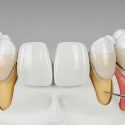
What Are Veneers? A Beginner’s Guide for Australian Patients
Introduction
At Alphington Dental Care, many patients ask, “What are veneers?” Simply put, veneers are thin shells placed over the front surface of teeth to improve appearance, restore shape, and correct minor alignment or discolouration issues.
This beginner’s guide will explain how dental veneers work, the types of dental veneers explained, who is suitable for treatment, and the differences between veneers and crowns. We’ll also cover costs, procedure steps, and what patients can expect in Australia, ensuring you have all the information to make a confident decision about your smile.
How Do Dental Veneers Work?
Quick Answer
Dental veneers improve the aesthetics of teeth by covering imperfections such as:
- Chips or cracks
- Stains or discoloration
- Minor misalignment or gaps
- Uneven shapes
Veneers are bonded to the front of your teeth using strong dental adhesive, enhancing both the appearance and minor protective function of the tooth.
Types of Dental Veneers Explained
| Veneer Type | Material | Pros | Cons | Longevity |
| Composite veneers | Resin | Affordable, same-day placement, reversible | Less durable, prone to staining | 4–8 years |
| Porcelain veneers | Ceramic | Highly aesthetic, stain-resistant, long-lasting | Higher cost, lab fabrication required | 10–15+ years |
| No-prep / Minimal-prep veneers | Composite or porcelain | Preserves enamel, minimally invasive | Not suitable for severe misalignment | 8–12 years |
You can learn more about material options at our composite and porcelain veneers page.
Who Is Suitable for Veneers?
Quick Answer
Veneers are ideal for patients with:
- Healthy teeth and gums
- Minor cosmetic concerns such as small gaps, chips, or stains
- Desire for a minimally invasive cosmetic treatment
Patients with significant bite issues, severe decay, or tooth damage may require alternative treatments. During consultations, Dr Claire Wilson evaluates suitability and guides patients toward the best options.
Veneers vs Crowns Difference
| Feature | Veneers | Crowns |
| Coverage | Front surface of tooth | Entire tooth |
| Enamel removal | Minimal or none | Significant reduction required |
| Ideal Use | Cosmetic enhancement | Strengthening damaged teeth |
| Longevity | 8–15 years | 10–20 years |
| Cost | Moderate to high | Higher than veneers |
While both improve appearance, veneers are less invasive and primarily cosmetic, whereas crowns restore function and strength to compromised teeth. For more Australian guidance, see Healthdirect Australia’s veneers overview.
Cosmetic Dental Veneers Procedure: What to Expect
- Consultation & Planning
We assess oral health, discuss goals, and determine the type and number of veneers required. - Tooth Preparation
- Minimal-prep or no-prep veneers preserve enamel
- Traditional porcelain veneers require slight enamel removal
- Impressions or Digital Scans
Precise measurements guide veneer fabrication. - Veneer Fabrication & Placement
- Composite veneers may be applied same-day
- Porcelain veneers are fabricated in a lab and bonded during a second appointment
- Finishing & Adjustments
Final polishing and bite adjustment ensure comfort and natural appearance.
For Australian patients, additional information on veneer procedures can be found through ADA cosmetic dentistry guidance.
Veneers Cost in Australia
| Veneer Type | Average Cost Per Tooth | Notes |
| Composite | $400–$900 | Ideal for minor cosmetic improvements |
| Porcelain | $1,500–$2,500 | Durable, highly aesthetic, long-lasting |
Costs vary based on materials, number of teeth, and clinic location. For personalised quotes, contact our team to discuss your cosmetic goals.
How Many Veneers Do You Need?
Quick Answer
The number of veneers depends on:
- Teeth visible when smiling
- Extent of cosmetic concerns
- Desired symmetry and uniformity
Most patients require 6–10 veneers for a full smile makeover. During consultations, we provide a digital smile design to visualise results before treatment.
Choosing the Right Dentist
When selecting a cosmetic dentist:
- Look for experience with veneers, like Dr Claire Wilson
- Assess enamel-preserving techniques and patient portfolio
- Ensure clear communication and realistic expectations
Contact our team to discuss options and book a consultation.
Conclusion
Dental veneers are a safe, effective, and aesthetic solution for improving smile shape, colour, and minor alignment. Modern options such as composite, porcelain, no-prep, and minimal-prep veneers allow tailored treatment while preserving enamel.
At Alphington Dental Care, we focus on patient education, personalised planning, and natural results. Book a consultation today to explore dental veneers for teeth and find the option that best suits your smile.
Quick Answers / FAQ
Are veneers permanent?
Porcelain veneers are considered permanent, while composite veneers may be reversible.
Do veneers damage teeth?
No-prep and minimal-prep veneers preserve enamel and are minimally invasive.
Can veneers fix gaps?
Yes, small spaces and minor misalignment can be corrected without orthodontics.
How long do veneers last?
Porcelain: 10–15 years; Composite: 4–8 years.
Are veneers worth it?
For aesthetic enhancement and confidence, most patients find veneers a worthwhile investment.

