
Alphington Dental Care
03 9482 4044
Alphington Dental Care
About Us Our Services
Book Now Contact Us
Invisalign Attachments Explained: What They Do, Pain, Removal & What to Expect

Invisalign Attachments Explained: What They Do, Pain, Removal & What to Expect

Introduction

Invisalign attachments are small, tooth-coloured shapes bonded to your teeth to help aligners grip and move them more effectively. While Invisalign trays do the main work, these attachments act like anchors, allowing precise and controlled tooth movement.

If you’ve been told you need attachments, it’s normal to have questions. What do they look like? Do they hurt? Can people see them? In this guide, we’ll walk you through everything you need to know about Invisalign attachments, including how they work, when they’re needed, and what to expect during treatment at Alphington Dental Care.

What Are Invisalign Attachments?

Short Answer

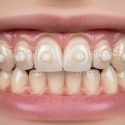
Invisalign attachments are small, tooth-coloured “buttons” bonded to teeth to help aligners apply more precise force.

What Do Invisalign Attachments Look Like?

Attachments are:

  • Made from tooth-coloured composite material
  • Shaped like small bumps or ridges
  • Placed strategically on certain teeth
  • Designed to blend in with your natural smile

Most people won’t notice them unless they’re looking closely.

What Do Invisalign Attachments Do?

Short Answer

They help aligners grip your teeth and move them in specific directions.

Why Are Attachments Needed?

Invisalign aligners alone can move teeth, but attachments improve control. They help with:

  • Rotating teeth
  • Moving teeth vertically
  • Improving aligner fit
  • Increasing treatment precision

According to the Australian Society of Orthodontists’ overview of orthodontic treatment mechanics, controlled force and direction are essential for predictable tooth movement, which is exactly what attachments help achieve.

Do All Invisalign Patients Need Attachments?

Short Answer

No, but many patients will.

When Are Attachments Required?

Attachments are commonly used when:

  • Teeth need more complex movement
  • Rotation or angulation is required
  • Better aligner grip is needed

For simple cases, attachments may not be necessary.

At Alphington Dental Care, we plan this from the beginning using digital scans.

Invisalign Attachments vs Buttons: Are They the Same?

Short Answer

Yes. “Attachments” and “buttons” refer to the same thing.

Why the Different Names?

Patients often call them:

  • Invisalign buttons
  • Attachments
  • Aligner anchors

Clinically, they all refer to the same bonded shapes that assist movement.

Do Invisalign Attachments Hurt?

Short Answer

No, but you may feel mild pressure when aligners are first worn.

What Patients Usually Feel

  • No pain when attachments are placed
  • Slight tightness when new aligners are inserted
  • Minor sensitivity for the first few days

This is a normal part of tooth movement.

Clinical studies published in the American Journal of Orthodontics and Dentofacial Orthopedics show that aligner-based treatments generally produce mild, manageable discomfort compared to traditional braces.

How Are Invisalign Attachments Put On?

Step-by-Step Process

  1. Teeth are cleaned and prepared
  2. A template tray is placed over your teeth
  3. Composite material is applied
  4. A curing light hardens the attachments
  5. The template is removed

How Long Does It Take?

Short answer: Usually 20–30 minutes.

The process is quick, comfortable, and done in a single visit.

Do Invisalign Attachments Make Aligners More Visible?

Short Answer

Slightly, but they are still discreet.

What to Expect

  • Aligners remain clear
  • Attachments may catch light slightly
  • Still far less noticeable than braces

Most patients feel comfortable wearing them in social and professional settings.

Invisalign Attachments and Daily Life

Eating

  • Remove aligners before eating
  • Attachments stay on your teeth
  • No major dietary restrictions

Cleaning

  • Brush carefully around attachments
  • Floss daily
  • Keep aligners clean

According to Better Health Channel’s oral hygiene advice, maintaining good oral hygiene during orthodontic treatment is essential to prevent plaque and gum issues.

Speaking

  • Slight adjustment period
  • Most patients adapt quickly

Can Invisalign Attachments Fall Off?

Short Answer

Yes, but it’s not common.

What Happens If They Do?

  • Contact your dentist
  • Replacement is quick and simple
  • Treatment usually continues without issue

If anything feels loose, it’s best to get it checked early.

Invisalign Attachments Removal: What to Expect

Short Answer

Attachments are gently polished off at the end of treatment.

Removal Process

  • A dental tool removes the composite material
  • Teeth are polished smooth
  • No damage is done to enamel

Does Removal Hurt?

Short answer: No.

Most patients describe it as slightly rough but not painful.

Do Attachments Stain?

Short Answer

They can, but proper care prevents this.

How to Avoid Staining

  • Brush after meals
  • Avoid smoking
  • Limit staining foods like coffee or red wine

Keeping your aligners clean also helps maintain appearance.

Invisalign Attachments vs No Attachments

Feature With Attachments Without Attachments
Control High precision Limited movement
Complexity Suitable for complex cases Best for simple cases
Visibility Slightly more noticeable Most discreet

Attachments allow Invisalign to treat a wider range of cases effectively.

What Happens If You Refuse Attachments?

Short Answer

Treatment may be less effective or take longer.

Why Attachments Matter

Without attachments:

  • Aligners may not grip properly
  • Tooth movement may be less precise
  • Results may be compromised

This is why we recommend them when needed.

Quick Answers About Invisalign Attachments

What do Invisalign attachments do?

They help aligners grip and move teeth more precisely.

Are Invisalign attachments noticeable?

Slightly, but still far less visible than braces.

Do Invisalign attachments hurt?

No, but you may feel mild pressure from aligners.

How long do attachments stay on?

For most of your treatment, depending on your plan.

Can attachments fall off?

Yes, but they can be easily replaced.

Why Choose Alphington Dental Care for Invisalign?

At Alphington Dental Care, we focus on:

  • Personalised Invisalign treatment plans
  • Clear communication at every stage
  • Modern digital planning
  • Ongoing support throughout treatment

If you’d like to explore treatment options, you can visit our clear aligners and orthodontic treatments page.

Conclusion

So, what are Invisalign attachments? They are small but essential components that help aligners move your teeth more accurately and efficiently.

While they may seem like a small detail, they play a big role in achieving the final result.

If you’re considering Invisalign or have been told you need attachments, the best next step is a personalised consultation.

You can contact our team to book an appointment and get a clear treatment plan tailored to your smile.

About Alphington Dental Care
Our Services
Make an Appointment
Contact Alphington Dental Care
Invisalign Attachments Explained: What They Do, Pain, Removal & What to Expect

Invisalign Attachments Explained: What They Do, Pain, Removal & What to Expect

Introduction

Invisalign attachments are small, tooth-coloured shapes bonded to your teeth to help aligners grip and move them more effectively. While Invisalign trays do the main work, these attachments act like anchors, allowing precise and controlled tooth movement.

If you’ve been told you need attachments, it’s normal to have questions. What do they look like? Do they hurt? Can people see them? In this guide, we’ll walk you through everything you need to know about Invisalign attachments, including how they work, when they’re needed, and what to expect during treatment at Alphington Dental Care.

What Are Invisalign Attachments?

Short Answer

Invisalign attachments are small, tooth-coloured “buttons” bonded to teeth to help aligners apply more precise force.

What Do Invisalign Attachments Look Like?

Attachments are:

  • Made from tooth-coloured composite material
  • Shaped like small bumps or ridges
  • Placed strategically on certain teeth
  • Designed to blend in with your natural smile

Most people won’t notice them unless they’re looking closely.

What Do Invisalign Attachments Do?

Short Answer

They help aligners grip your teeth and move them in specific directions.

Why Are Attachments Needed?

Invisalign aligners alone can move teeth, but attachments improve control. They help with:

  • Rotating teeth
  • Moving teeth vertically
  • Improving aligner fit
  • Increasing treatment precision

According to the Australian Society of Orthodontists’ overview of orthodontic treatment mechanics, controlled force and direction are essential for predictable tooth movement, which is exactly what attachments help achieve.

Do All Invisalign Patients Need Attachments?

Short Answer

No, but many patients will.

When Are Attachments Required?

Attachments are commonly used when:

  • Teeth need more complex movement
  • Rotation or angulation is required
  • Better aligner grip is needed

For simple cases, attachments may not be necessary.

At Alphington Dental Care, we plan this from the beginning using digital scans.

Invisalign Attachments vs Buttons: Are They the Same?

Short Answer

Yes. “Attachments” and “buttons” refer to the same thing.

Why the Different Names?

Patients often call them:

  • Invisalign buttons
  • Attachments
  • Aligner anchors

Clinically, they all refer to the same bonded shapes that assist movement.

Do Invisalign Attachments Hurt?

Short Answer

No, but you may feel mild pressure when aligners are first worn.

What Patients Usually Feel

  • No pain when attachments are placed
  • Slight tightness when new aligners are inserted
  • Minor sensitivity for the first few days

This is a normal part of tooth movement.

Clinical studies published in the American Journal of Orthodontics and Dentofacial Orthopedics show that aligner-based treatments generally produce mild, manageable discomfort compared to traditional braces.

How Are Invisalign Attachments Put On?

Step-by-Step Process

  1. Teeth are cleaned and prepared
  2. A template tray is placed over your teeth
  3. Composite material is applied
  4. A curing light hardens the attachments
  5. The template is removed

How Long Does It Take?

Short answer: Usually 20–30 minutes.

The process is quick, comfortable, and done in a single visit.

Do Invisalign Attachments Make Aligners More Visible?

Short Answer

Slightly, but they are still discreet.

What to Expect

  • Aligners remain clear
  • Attachments may catch light slightly
  • Still far less noticeable than braces

Most patients feel comfortable wearing them in social and professional settings.

Invisalign Attachments and Daily Life

Eating

  • Remove aligners before eating
  • Attachments stay on your teeth
  • No major dietary restrictions

Cleaning

  • Brush carefully around attachments
  • Floss daily
  • Keep aligners clean

According to Better Health Channel’s oral hygiene advice, maintaining good oral hygiene during orthodontic treatment is essential to prevent plaque and gum issues.

Speaking

  • Slight adjustment period
  • Most patients adapt quickly

Can Invisalign Attachments Fall Off?

Short Answer

Yes, but it’s not common.

What Happens If They Do?

  • Contact your dentist
  • Replacement is quick and simple
  • Treatment usually continues without issue

If anything feels loose, it’s best to get it checked early.

Invisalign Attachments Removal: What to Expect

Short Answer

Attachments are gently polished off at the end of treatment.

Removal Process

  • A dental tool removes the composite material
  • Teeth are polished smooth
  • No damage is done to enamel

Does Removal Hurt?

Short answer: No.

Most patients describe it as slightly rough but not painful.

Do Attachments Stain?

Short Answer

They can, but proper care prevents this.

How to Avoid Staining

  • Brush after meals
  • Avoid smoking
  • Limit staining foods like coffee or red wine

Keeping your aligners clean also helps maintain appearance.

Invisalign Attachments vs No Attachments

Feature With Attachments Without Attachments
Control High precision Limited movement
Complexity Suitable for complex cases Best for simple cases
Visibility Slightly more noticeable Most discreet

Attachments allow Invisalign to treat a wider range of cases effectively.

What Happens If You Refuse Attachments?

Short Answer

Treatment may be less effective or take longer.

Why Attachments Matter

Without attachments:

  • Aligners may not grip properly
  • Tooth movement may be less precise
  • Results may be compromised

This is why we recommend them when needed.

Quick Answers About Invisalign Attachments

What do Invisalign attachments do?

They help aligners grip and move teeth more precisely.

Are Invisalign attachments noticeable?

Slightly, but still far less visible than braces.

Do Invisalign attachments hurt?

No, but you may feel mild pressure from aligners.

How long do attachments stay on?

For most of your treatment, depending on your plan.

Can attachments fall off?

Yes, but they can be easily replaced.

Why Choose Alphington Dental Care for Invisalign?

At Alphington Dental Care, we focus on:

  • Personalised Invisalign treatment plans
  • Clear communication at every stage
  • Modern digital planning
  • Ongoing support throughout treatment

If you’d like to explore treatment options, you can visit our clear aligners and orthodontic treatments page.

Conclusion

So, what are Invisalign attachments? They are small but essential components that help aligners move your teeth more accurately and efficiently.

While they may seem like a small detail, they play a big role in achieving the final result.

If you’re considering Invisalign or have been told you need attachments, the best next step is a personalised consultation.

You can contact our team to book an appointment and get a clear treatment plan tailored to your smile.